The Antarctic Season at a Glance
Antarctic expedition cruising is confined to the austral summer, running roughly from November through March. Outside this window, sea ice, extreme cold and the absence of daylight make passenger voyages impractical, so every operator schedules departures within this five-month span. Within that window, however, conditions shift substantially from one month to the next, and those shifts interact with age-related and fitness-related considerations in ways that are worth planning around rather than leaving to chance.
Questions about timing are often raised alongside questions about antarctica cruise age limit policy, since both influence who is comfortable on board and how a given itinerary should be selected. A family traveling with young children, a retiree managing a chronic condition and a physically active adult without dependents will often reach different conclusions about which weeks of the season suit them best, even when looking at the same set of itineraries.
Early Season (November) Considerations
November departures offer landscapes at their most pristine, with unbroken snow cover, minimal foot traffic from other visitors, and courtship and nest-building behavior underway among penguin colonies. Sea ice can still be extensive at this point in the season, which shapes which landing sites are accessible and can add a degree of unpredictability to the itinerary.
Temperatures in November tend to run cooler than at the height of summer, and this matters more for some travelers than others. Younger children, who lose body heat more quickly and have less tolerance for standing still in cold wind during zodiac landings, may find early-season conditions more demanding. Seniors with circulatory conditions or reduced cold tolerance may notice a similar effect. For travelers in good general health without particular sensitivity to cold, November remains a comfortable and rewarding time to sail.
Peak Season (December-January) Considerations
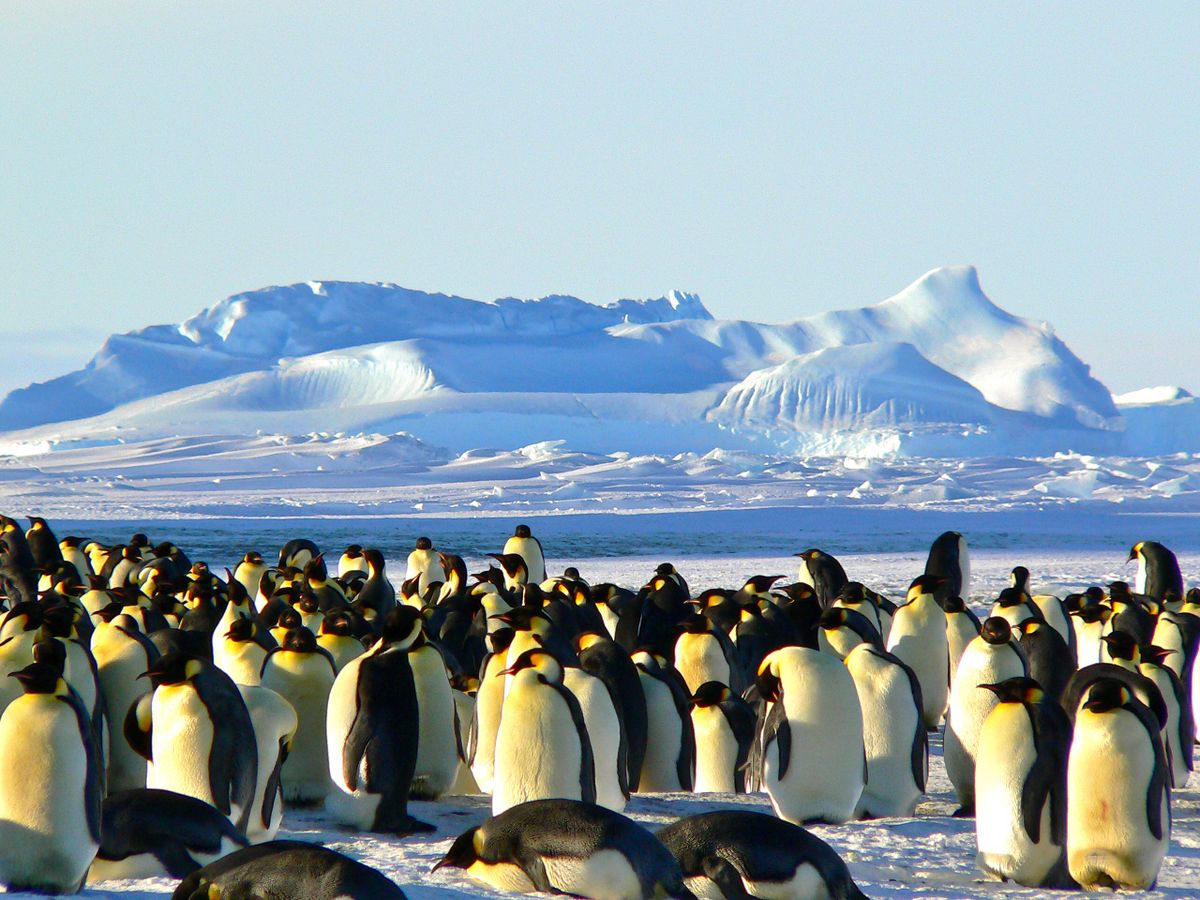
December and January mark the middle of the Antarctic summer, when conditions are generally at their mildest and most stable. Daylight is at its longest, in some areas approaching twenty-four hours, which extends the practical window for landings and reduces the pressure of scheduling activities around a short day. This period also coincides with penguin chicks hatching, a wildlife event that draws considerable visitor interest.
Because temperatures and weather patterns are typically most favorable during this stretch, peak season tends to be the most comfortable window for families and for seniors who prioritize predictability over solitude. The trade-off is that landing sites and popular anchorages see the highest visitor volume of the year, and cabins and departures book furthest in advance.
Late Season (February-March) Considerations
By February and March, whale sightings tend to increase as feeding activity picks up in ice-free waters, making this stretch appealing to travelers whose priority is marine wildlife rather than penguin breeding behavior. Snow cover recedes at many landing sites, exposing more rock and often muddier terrain underfoot, which can affect footing during shore excursions.
Conditions in late season are generally milder than in November but more variable than during the December-January peak, with a wider range of day-to-day weather. This variability is usually manageable for travelers with reasonable mobility and general fitness, but it is a factor worth weighing for anyone concerned about uneven or slippery terrain during landings.
Matching Season to Traveler Profile
No single month suits every traveler equally, and matching the calendar to a traveler's profile is often as important as matching the itinerary itself. The considerations below summarize how timing tends to align with different groups, alongside the broader fitness demands of an Antarctic expedition, which apply regardless of when a voyage is scheduled.
Season Selection by Traveler Type
- Families with children: Peak season (December-January) is generally preferable, given milder temperatures, longer daylight and reduced cold exposure during landings.
- Senior travelers: Peak season also tends to suit older passengers well, offering more stable weather and shorter exposure windows during excursions in cold or wind.
- Fit adventure travelers: Early season (November) or late season (February-March) can be appealing for those seeking fewer fellow visitors at landing sites and a greater emphasis on wildlife behavior over crowd avoidance.
These groupings are general guidance rather than fixed rules. A physically fit senior may be entirely comfortable in November, and a family with older children may prefer the wildlife emphasis of March. Reviewing specific itinerary dates, expected temperatures and planned landing sites for a given voyage remains the most reliable way to confirm suitability, alongside consulting the FAQ for related questions on age and health requirements.
Final Thoughts
Season selection and age or fitness considerations are closely linked in Antarctic travel planning. Early season favors pristine scenery and lower visitor numbers but brings cooler temperatures that can matter more for young children and cold-sensitive seniors. Peak season offers the most stable and generally comfortable conditions for families and older travelers. Late season shifts the focus toward whale activity and more variable, less snow-covered terrain. Reviewing these patterns alongside individual health and mobility factors, and any operator-specific antarctica cruise age limit policy, allows travelers to select a departure window that fits both the itinerary and the traveler.